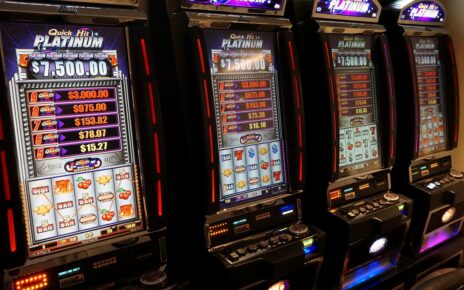

Progressive jackpots are among the most eye-catching features in casinos. Whether displayed above slot machines or highlighted on online platforms, the constantly rising prize pool creates anticipation. But how exactly does that number climb from a fixed starting amount to life-changing sums? The process is systematic, transparent, and rooted in game mathematics.
What Is a Progressive Jackpot?
A progressive jackpot is a prize pool that increases over time as players place bets. Unlike fixed jackpots, which always pay a predetermined amount, progressive jackpots grow incrementally until someone wins.
Once triggered, the jackpot resets to a predefined base value and begins accumulating again.
The Core Mechanism Behind Growth
Progressive jackpots expand through a simple funding model:
- A small percentage of every qualifying wager is added to the jackpot pool.
- The contribution rate is predetermined by the game’s design.
- The accumulated amount continues rising until a winning combination activates the payout.
For example, if a slot allocates 2%–5% of each eligible bet toward the jackpot, that portion bypasses the standard payout structure and feeds the prize pool instead.
The more players participating, the faster the jackpot grows.
Types of Progressive Jackpots
Standalone Progressives
- Linked to a single machine or game.
- Growth depends solely on wagers placed on that specific unit.
- Typically increase more slowly than networked jackpots.
Local (In-House) Progressives
- Connected across multiple machines within one casino.
- Accumulate faster than standalone versions.
- Still limited to a single physical or online property.
Wide-Area (Networked) Progressives
- Linked across multiple casinos or online platforms.
- Can grow extremely quickly due to higher participation.
- Often reach multi-million-dollar figures.
The scale of the network directly influences the speed of accumulation.
Contribution Rates and Funding Structure
Not every part of a player’s bet contributes to the jackpot. A wager generally gets divided into three portions:
- Base game payout fund
- Operational margin (house edge)
- Progressive contribution
For example:
- If a player bets $1 and the game allocates 3% to the jackpot, $0.03 is added to the prize pool.
- The rest supports standard payouts and casino operations.
Over thousands or millions of spins, these small increments create substantial totals.
Trigger Conditions
Progressive jackpots are not awarded randomly in all cases. They are typically triggered by:
- A specific symbol combination on maximum bet
- A bonus round event
- A mystery trigger based on a random threshold
- A secondary side bet requirement in table games
Some jackpots require players to wager the maximum stake to qualify. Others include eligibility with any bet size.
Understanding trigger rules is crucial before participating.
Reset Values Explained
After a jackpot is won:
- The prize resets to a predefined seed amount.
- The seed may be funded by the casino, the game provider, or a reserve pool.
- Growth resumes immediately as new bets are placed.
The seed ensures that the jackpot always starts at an attractive baseline rather than zero.
Why Progressive Jackpots Can Be So Large
Several factors allow progressive jackpots to reach impressive sums:
- High player volume
- Wide-area networks
- Continuous 24/7 wagering
- Low hit frequency
Because jackpots are designed to be rare events, funds accumulate over extended periods. The rarity increases volatility but allows the prize pool to expand dramatically.
Progressive Jackpots in Table Games
While most commonly associated with slot machines, progressive jackpots also appear in:
- Blackjack side bets
- Poker-based table games
- Baccarat bonus wagers
In these cases, players usually contribute via a small optional side bet. A portion of each qualifying side bet funds the jackpot.
Risk and Return Considerations
Progressive jackpots alter a game’s payout structure:
- Higher variance – Big wins are rare but substantial.
- Lower base payouts – Some games slightly reduce standard return to fund the jackpot.
- Potential positive expectancy moments – In rare cases, extremely large jackpots can temporarily improve overall expected value.
However, chasing jackpots purely based on size carries risk, as trigger probability remains constant regardless of the displayed total.
Final Thoughts
Progressive jackpots grow through structured, percentage-based contributions from player wagers. Whether standalone or networked across multiple casinos, their expansion depends on participation volume and predefined funding rules. While they offer the appeal of massive payouts, they also introduce higher volatility. Understanding how they accumulate—and how they reset—helps players approach them with realistic expectations.
FAQ
1. Does every bet contribute to a progressive jackpot?
Only qualifying bets contribute, and only a small predetermined percentage of each wager is added.
2. Can casinos manually increase or decrease the jackpot amount?
The contribution rate and seed value are fixed within the game’s programming and regulatory approval, not adjusted randomly.
3. Do larger bets increase my chance of winning the jackpot?
In many games, maximum bets are required to qualify. If eligibility rules apply, smaller bets may not activate the jackpot trigger.
4. Are progressive jackpots audited for fairness?
Licensed casinos and game providers undergo regulatory oversight to ensure fair operation and accurate contribution tracking.
5. What happens if a progressive jackpot is not won for a long time?
The jackpot continues to grow indefinitely until it is triggered.
6. Can progressive jackpots be shared among multiple winners?
Most are awarded to a single winner, though certain network structures may split prizes in rare simultaneous events.
7. Is the displayed jackpot amount guaranteed to be paid out?
Yes. When the trigger condition is met, the full displayed amount at that moment is awarded.