

Gambling is a global activity, but the way people engage with it varies widely by region. Cultural norms, legal frameworks, economic factors, and technological access all shape how and why individuals participate. From government-run lotteries to high-limit baccarat salons, gambling habits reflect local priorities and traditions.
Cultural Influence on Gambling Preferences
Culture plays a defining role in gambling choices.
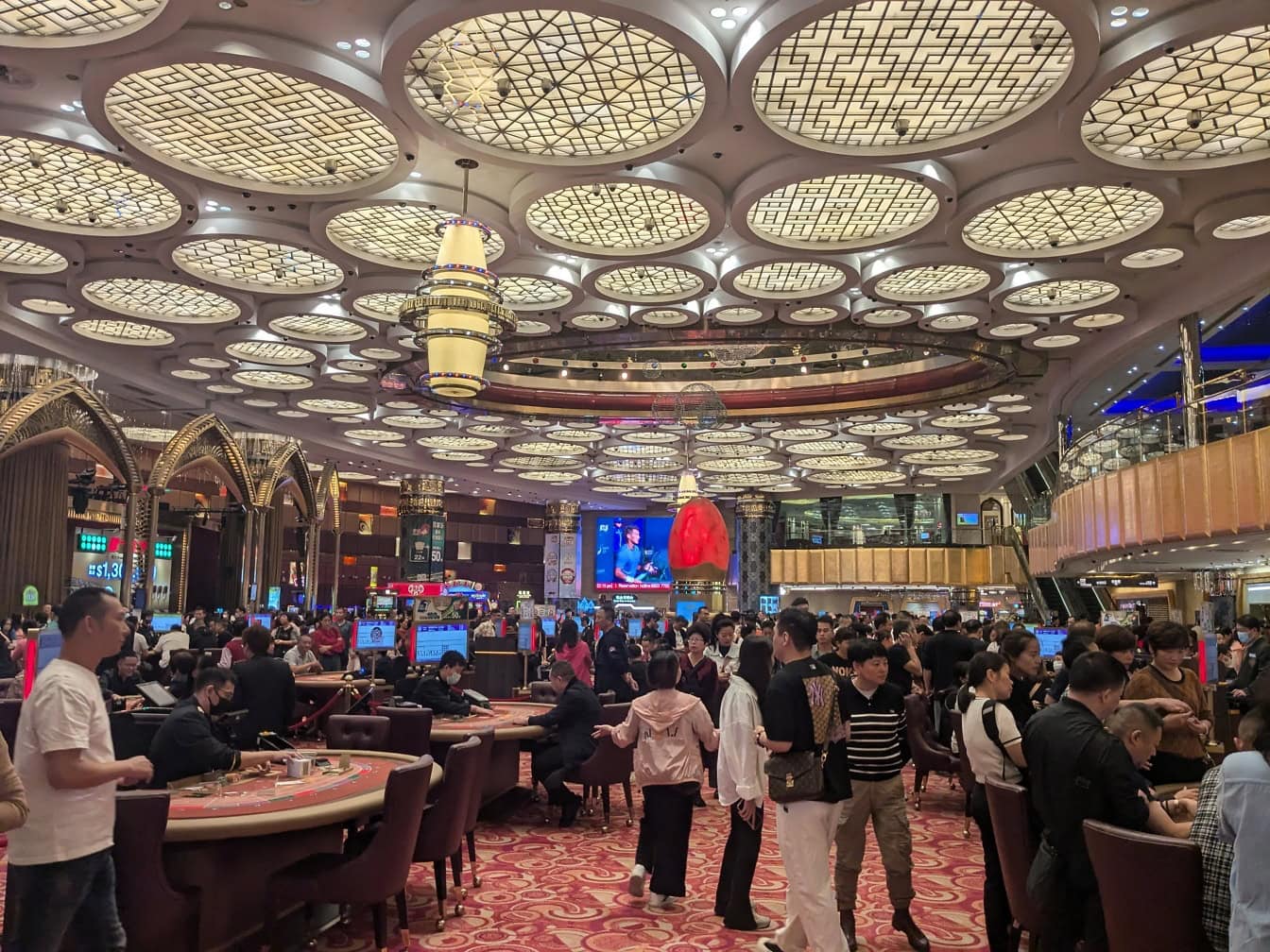
- In parts of East Asia, baccarat is especially popular in major casino hubs.
- In the United States, slot machines dominate casino floors.
- In the United Kingdom, sports betting shops are a common sight on high streets.
- In Japan, pachinko parlors operate as a distinct gaming industry.
These preferences are not random; they align with long-standing traditions and entertainment patterns.
Legal Structures and Regulation
Government policy directly influences gambling participation.
Strict Regulation
- Some countries prohibit most forms of casino gambling.
- Access may be limited to state lotteries or tightly controlled venues.
- Online platforms may be restricted or blocked.
Liberal Regulation
- Licensed casinos operate openly.
- Online gambling markets are regulated and taxed.
- Advertising and sponsorship are common.
The degree of legal openness affects both accessibility and public perception.
Popular Games by Region
North America
- Slot machines
- Blackjack
- Poker tournaments
- Sports betting (where legal)
Casino resorts often combine gaming with hospitality and entertainment.
Europe
- Sports betting (especially football)
- National lotteries
- Online casino games
- Roulette in land-based casinos
Online platforms have significant market penetration in many European countries.
East Asia
- Baccarat
- Sic Bo
- Pachinko (Japan)
- Lottery-style games
High-stakes baccarat rooms are particularly prominent in certain Asian gaming centers.
Australia and Oceania
- Electronic gaming machines (“pokies”)
- Sports wagering
- Lottery participation
Gaming machines are widely distributed in clubs and pubs, not only in casinos.
Online vs. Land-Based Trends
Technology has reshaped gambling habits globally.
- Regions with strong internet infrastructure show higher online participation.
- Mobile-first markets rely heavily on smartphone betting apps.
- Live dealer games bridge the gap between physical and digital experiences.
In some countries, online gambling now surpasses land-based revenue.
Economic Factors
Disposable income influences betting behavior.
- Higher-income regions may see larger average wagers.
- Lower-income regions often favor lottery products due to low entry cost.
- Tourism-driven economies rely on international high-stakes players.
Economic stability also affects risk tolerance and frequency of play.
Social Perception and Stigma
Public attitudes toward gambling vary.
- In some societies, gambling is considered mainstream entertainment.
- In others, it carries moral or religious stigma.
- Community norms shape how openly people participate.
These perceptions influence advertising, venue visibility, and player demographics.
Responsible Gambling Approaches
Different jurisdictions implement distinct consumer protection strategies:
- Mandatory self-exclusion programs
- Deposit and loss limits
- Advertising restrictions
- Public awareness campaigns
Cultural attitudes often shape how strongly these measures are enforced.
Seasonal and Event-Based Gambling
Major sporting events, holidays, and festivals drive regional spikes in activity.
- International tournaments increase sports betting.
- Lunar New Year periods may boost casino visits in certain Asian regions.
- National lottery jackpots often generate temporary participation surges.
Timing plays a significant role in gambling patterns worldwide.
Final Thoughts
Gambling habits differ across the globe due to culture, law, economics, and technology. While the core appeal—risk and reward—remains universal, the format, frequency, and social context vary significantly. Understanding these differences offers insight into how gambling adapts to local environments while maintaining its global presence.
FAQ
1. Why is baccarat more popular in some Asian regions?
Cultural familiarity, high-stakes appeal, and historical preference contribute to its popularity.
2. Are online gambling trends growing worldwide?
Yes. Increased internet access and mobile technology have expanded online participation in many regions.
3. Do cultural beliefs affect gambling behavior?
Yes. Religious and social values often shape public attitudes and regulatory policies.
4. Which regions rely most heavily on lottery products?
Many countries with state-run systems see high lottery participation due to accessibility and low cost.
5. Is sports betting equally popular everywhere?
No. Popularity often depends on the prominence of sports culture and legal availability.
6. How do tourism hubs influence gambling patterns?
Destinations known for casinos attract international players, significantly impacting local revenue.
7. Are responsible gambling policies consistent worldwide?
No. Regulations vary widely, reflecting different governmental priorities and cultural attitudes.