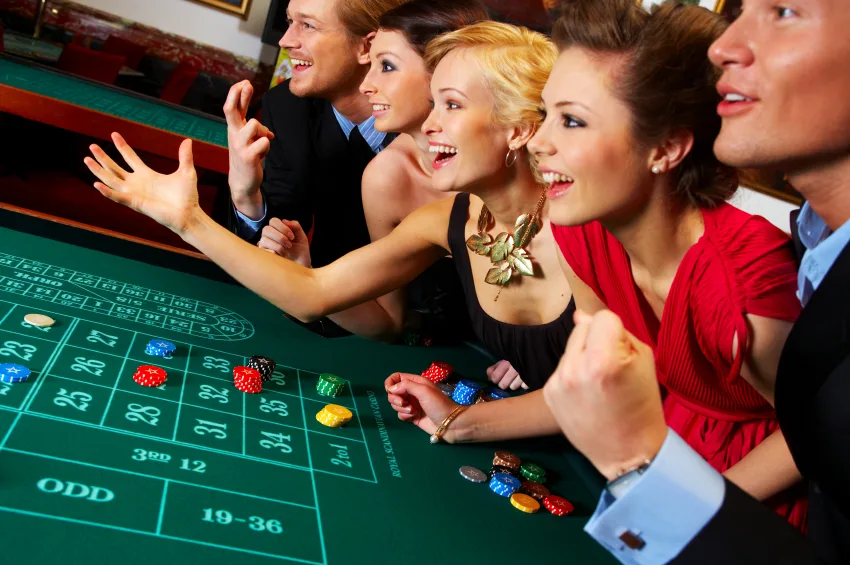
Gambling decisions are rarely driven by mathematics alone. While odds and probabilities define the structure of casino games, emotions often shape how players respond to wins, losses, and risk. Understanding the psychological forces at play can help individuals make more informed and controlled choices.
Why Emotions Matter in Gambling
Gambling environments are designed to stimulate emotional responses. Lights, sounds, and rapid gameplay create heightened engagement. In that state, decision-making can shift from logical evaluation to impulsive reaction.
Emotions influence:
- Risk tolerance
- Bet sizing
- Session duration
- Game selection
When unmanaged, feelings can override rational bankroll planning.
The Role of Excitement and Euphoria
Winning triggers positive reinforcement. Even small payouts can produce a surge of excitement, encouraging continued play.
How It Affects Choices
- Increasing bet size after a win
- Extending sessions beyond planned limits
- Switching to higher-variance games
This phenomenon, often called the “hot-hand effect,” can lead players to believe success will continue despite independent outcomes.
Frustration and Loss Chasing
Losses can trigger frustration, disappointment, or anger. These emotions may lead to loss chasing, a behavior where players attempt to recover losses by placing larger or riskier bets.
Common Signs of Loss Chasing
- Doubling wagers after setbacks
- Abandoning strategy
- Ignoring pre-set limits
- Believing a win is “due”
Because most casino games operate independently each round, emotional escalation rarely improves outcomes.
Overconfidence and Illusion of Control
After a series of favorable results, players may develop overconfidence. This can create the illusion that skill or intuition influences random events.
Examples include:
- Believing in lucky streaks
- Choosing numbers based on personal meaning
- Rejecting statistical reality
While some games involve skill components (like poker), many casino outcomes rely primarily on chance.
Fear and Risk Avoidance
Emotions do not only push players toward higher risk. Fear can lead to overly cautious behavior.
- Avoiding valid strategic moves
- Failing to double down in blackjack when mathematically sound
- Cashing out prematurely due to anxiety
Inconsistent emotional states often produce inconsistent betting patterns.
Environmental Triggers
Casino design intentionally stimulates mood:
- Bright lights and celebratory sounds amplify wins.
- Near-miss outcomes increase anticipation.
- Fast gameplay reduces time for reflection.
Online platforms replicate these features through visual effects and interactive elements.
These cues can intensify emotional reactions and reduce deliberate thinking.
Emotional Regulation Strategies
Managing emotions requires conscious effort.
Practical Approaches
- Set fixed budgets before playing
- Establish time limits
- Take scheduled breaks
- Avoid gambling when stressed or fatigued
- Track wins and losses objectively
Creating structured boundaries limits the influence of mood swings on decisions.
The Connection Between Stress and Risk
Stress outside the casino environment can also influence gambling behavior. Some individuals use gambling as an escape, seeking distraction from external pressures.
However, emotional gambling during stressful periods often leads to:
- Impulsive bets
- Reduced patience
- Shortened decision-making processes
Recognizing external stressors can prevent reactive gameplay.
Emotional Awareness and Responsible Play
Emotional awareness is a critical component of responsible gambling. Recognizing feelings in real time allows players to pause before acting impulsively.
Questions players can ask themselves:
- Am I increasing my bets because of logic or emotion?
- Would I make this decision if I were calm?
- Am I trying to recover losses quickly?
Self-reflection promotes more balanced choices.
Final Thoughts
Emotions are inseparable from gambling. Excitement, frustration, confidence, and fear all shape how players respond to risk and reward. While casino games rely on mathematical probabilities, human behavior does not. By understanding emotional triggers and implementing structured controls, players can reduce impulsive decisions and maintain a more stable gaming experience.
FAQ
1. Why do wins feel more powerful than losses?
Wins activate reward pathways in the brain, reinforcing behavior and encouraging repetition.
2. Can emotions change the odds of a casino game?
No. Outcomes are determined by mathematical rules or random number generators, regardless of mood.
3. What is emotional decision-making in gambling?
It refers to choices driven by feelings rather than logical evaluation of probabilities and risk.
4. Are some personalities more prone to emotional gambling?
Impulsivity, sensation-seeking tendencies, and stress sensitivity can increase vulnerability.
5. How can I tell if emotions are influencing my bets?
Sudden increases in wager size or abandoning pre-set plans are common indicators.
6. Is taking breaks actually effective?
Yes. Pausing helps reset emotional intensity and improves decision clarity.
7. Can professional gamblers control emotions better?
Experienced players often develop structured routines and discipline, but emotional management remains important at all levels.