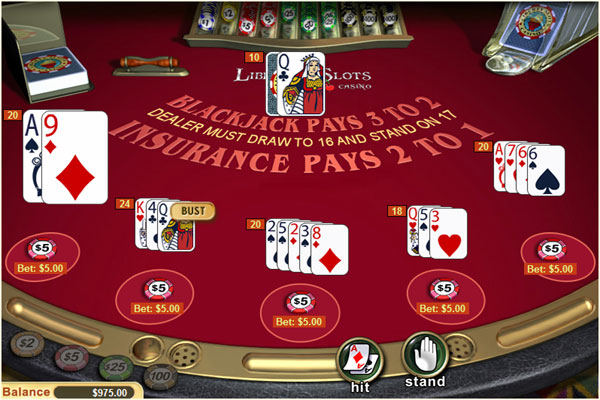

High-stakes players, often referred to as VIPs or high rollers, occupy a unique position in the casino ecosystem. Their wagering levels significantly exceed average player activity, prompting casinos to design specialized environments, rules, and services tailored to their expectations. From exclusive gaming salons to personalized incentives, the industry adapts in distinct ways to attract and retain this segment.
Who Are High-Stakes Players?
High-stakes players typically:
- Place wagers significantly above standard table limits
- Maintain large bankrolls
- Play extended sessions at premium tables
- Qualify for dedicated VIP programs
Their value to casinos lies not only in individual bets but in sustained wagering volume over time.
High-Limit Rooms and Private Salons
One of the most visible accommodations for high rollers is the high-limit room.
Key Features
- Elevated minimum and maximum betting limits
- Separate, quieter gaming spaces
- Enhanced privacy and discretion
- Dedicated dealers and supervisors
These rooms often include table games such as blackjack, baccarat, roulette, and poker with betting caps far exceeding those on the main floor.
Customized Betting Limits
Casinos adjust table limits to match player demand.
- Standard tables might cap at moderate amounts.
- High-limit tables can allow five-figure or even six-figure wagers per hand or spin.
- In some cases, limits are negotiated directly with management.
This flexibility ensures high-stakes players can wager at levels aligned with their bankroll capacity.
Personalized Service and Hosts
Dedicated casino hosts are central to the high-stakes experience.
Responsibilities of a Casino Host
- Managing reservations and travel arrangements
- Coordinating complimentary benefits
- Monitoring player activity for tailored rewards
- Acting as a direct point of contact
This level of personalization strengthens long-term relationships between the player and the property.
Enhanced Comp Programs
High-stakes players often receive expanded comps (complimentary benefits), which may include:
- Luxury accommodations
- Fine dining experiences
- Transportation services
- Event invitations
- Cashback or loss rebates
These rewards are calculated based on wagering volume, average bet size, and duration of play rather than individual wins or losses.
Game Variations Designed for High Rollers
Certain game variants cater specifically to high-limit audiences:
- No-limit or ultra-high-limit baccarat
- Premium blackjack tables with custom rules
- Exclusive poker tournaments with large buy-ins
- Private roulette tables with customized wheel options
In online environments, VIP players may access private live dealer streams or invitation-only tables.
Risk Management and Credit Facilities
Casinos implement structured systems to manage high-value transactions.
Marker and Credit Systems
- Pre-approved lines of credit (known as markers)
- Secure verification processes
- Clear repayment timelines
These mechanisms allow players to access significant funds without carrying large amounts of cash.
Security and Discretion
Privacy is often a priority for high-stakes clientele.
Casinos may provide:
- Discreet entrances and exits
- Confidential financial processing
- Enhanced security oversight
- Private gaming areas shielded from public view
Maintaining trust is essential when large sums are involved.
Technology and Data Analytics
Modern casinos rely on data tracking to serve high-stakes players effectively.
- Player tracking systems monitor betting patterns.
- Analytics help tailor offers and incentives.
- Online platforms create tiered VIP programs based on activity levels.
These systems ensure that benefits align with a player’s wagering behavior.
Online High-Stakes Gaming
Online casinos replicate high-limit experiences through:
- Increased deposit and withdrawal limits
- Personal account managers
- Exclusive tournaments
- Faster payout processing
- Tailored bonuses with flexible terms
Digital platforms use secure payment gateways and advanced encryption to support high-value transactions.
Balancing Reward and Risk
While high-stakes environments offer luxury and exclusivity, the financial risks scale proportionally. Larger wagers increase volatility and potential loss. Responsible gaming policies remain relevant regardless of bankroll size.
Casinos often integrate:
- Voluntary limit-setting tools (online)
- Transparent credit agreements
- Responsible gaming support resources
Final Thoughts
Casino games cater to high-stakes players through elevated limits, personalized services, and exclusive environments. From private salons to customized VIP programs, the experience is designed around discretion, comfort, and flexibility. While the scale differs from standard play, the underlying mechanics of the games remain consistent—only the stakes and surrounding amenities change.
FAQ
1. What qualifies someone as a high-stakes player?
There is no universal threshold, but qualification typically depends on average bet size, total wagering volume, and frequency of play.
2. Are high-limit games more favorable in terms of odds?
The rules may vary, but the mathematical structure generally mirrors standard versions unless explicitly adjusted.
3. Can online players become high rollers?
Yes. Many online platforms offer VIP tiers for players who meet wagering and deposit requirements.
4. Do high-stakes players always receive complimentary perks?
Comps are usually performance-based and tied to wagering activity rather than guaranteed upfront.
5. Are betting limits negotiable?
In some land-based casinos, management may adjust limits for established VIP clients.
6. How do casinos manage the risk of large payouts?
Casinos rely on statistical models, diversified revenue streams, and financial reserves to handle volatility.
7. Is high-stakes gaming regulated differently?
Regulatory oversight applies equally, though additional compliance checks may occur for large financial transactions.